
Operational Base & Proven Performance
Palo Alto is built on an existing and operating shrimp aquaculture platform, promoted by Grupo Camalago, with certified production, trained workforce and established export activity.
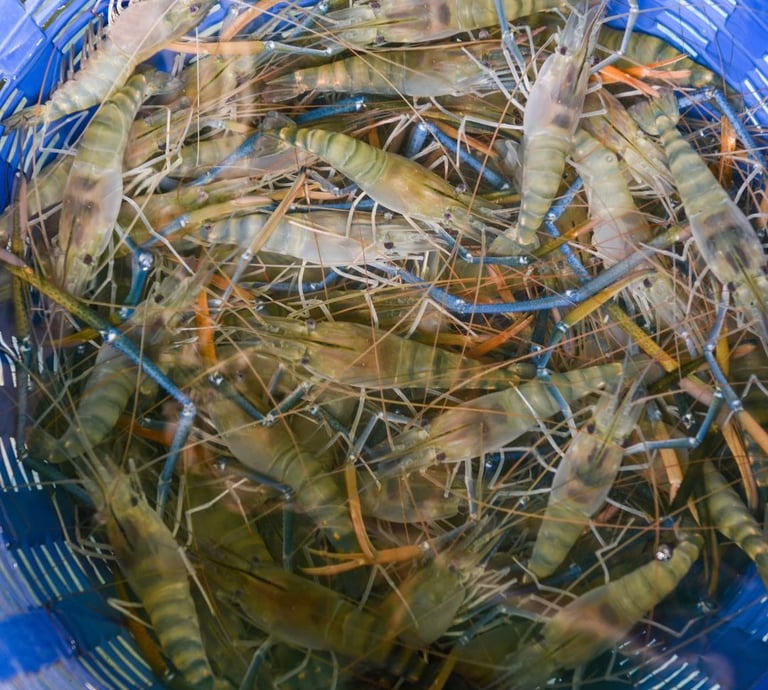
Shrimp Farming Operations
464.57 hectares currently under production
Semi-intensive technified model, optimized for productivity and animal welfare
Continuous water quality monitoring and biosecurity protocols
Production systems aligned with ASC sustainability standards
These operations demonstrate the technical feasibility of scaling while maintaining environmental and social performance.
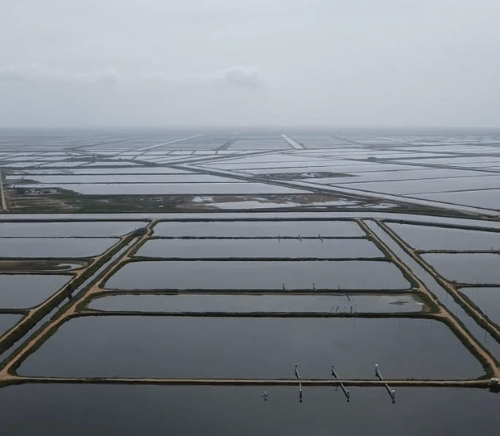
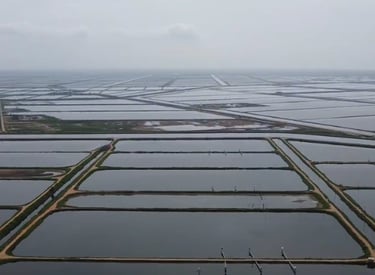
Operational Status
Current operations constitute Phase I of the program, providing a cash-generating base and operational validation that significantly reduces development and execution risk for subsequent phases.
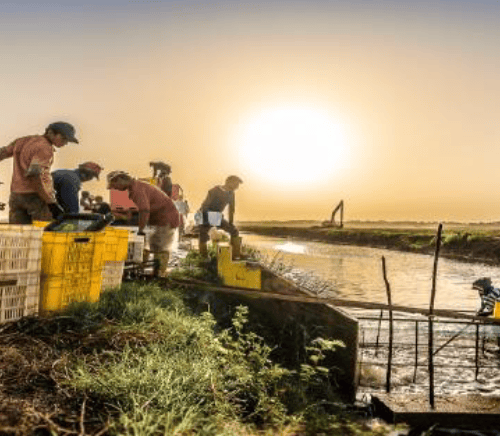

Certification and Sustainability Standards
Current operations comply with Aquaculture Stewardship Council (ASC) requirements, ensuring:
Responsible water use and effluent management
Biosecurity and disease prevention protocols
Traceability from pond to processing
Social and labor compliance
ASC certification provides access to premium export markets and establishes a sustainability baseline for Phase II expansion.
Processing and Post-Harvest Handling
Existing industrial processing capacity in operation
Cold-chain infrastructure ensuring product quality and food safety
Compliance with international hygiene and export standards
While current capacity supports Phase I production, it also defines the throughput ceiling that Phase II processing investments aim to surpass.
Export Track Record


Exports are supported by:
Certified production
Quality control systems
Traceability and documentation aligned with international buyers
This export experience demonstrates commercial viability and buyer acceptance.
Palo Alto currently serves international export markets, with focus on:
United States
European Union
Asia
Human Capital and Operational Management
Skilled local workforce with sector-specific expertise
Ongoing training in biosecurity, best management practices, and ESG compliance
Stable employment contributing to operational continuity and social impact
Human capital is treated as a strategic asset, directly linked to productivity, quality control, and risk mitigation.
Operational Performance Indicators
Key operational characteristics:
Proven production cycles
Consistent operational continuity
Established cost structure
Measurable environmental and social KPIs
These indicators serve as the baseline reference for the productivity, efficiency and ESG improvements targeted in Phase II.


Risk Profile at the Operational Level
Current operations already mitigate:
Greenfield development risk
Initial certification and market access risk
Workforce and operational learning curve
Remaining risks — related to scale, biological autonomy and processing capacity — are explicitly addressed through the Strategic Projects of Phase II.
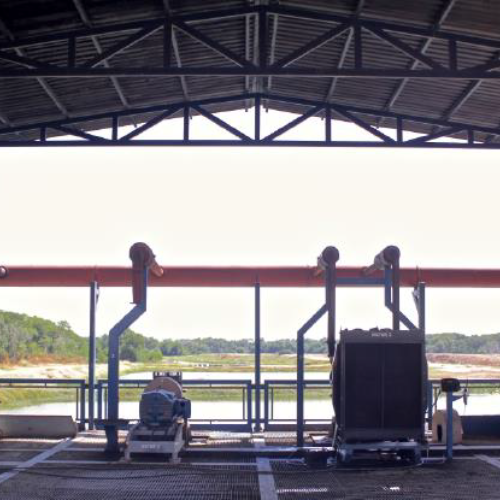

The current operating platform validates the technical, commercial and ESG foundations of the Palo Alto program. Phase II investments are designed not to “start” the project, but to scale, secure and institutionalize an already functioning system.
Palo Alto Project
Drives innovation, scalability, and ESG excellence across the value chain.
Building resilient food systems for global premium markets.
Phone
contact@paloaltoshrimp.com
+58 4146309015
© 2026. All rights reserved. Designed and developed by Varys Consulting