Phase II – Integrated Growth & Risk Mitigation Program
Phase II: From Operating Base to Institutional Scale
Phase II represents the strategic expansion and consolidation stage of the Palo Alto program. It is designed to transform an already operating, certified platform into a fully integrated, large-scale and institutionally resilient aquaculture system.
Promoted by Grupo Camalago, Phase II is structured as a USD 30 million integrated CAPEX program, where each project reinforces the others to eliminate critical risks while unlocking scale and long-term value.


An Integrated Investment Logic
Phase II is not a collection of independent projects. It is a coordinated portfolio of strategic investments, designed to work as a single system.
Each project addresses a specific structural risk:
Scale & Market Risk → Farming Expansion
Biological & Sanitary Risk → Genetic Autonomy
Logistical & Quality Risk → Processing & Value Addition
Together, they create a triple-layered risk mitigation framework, aligned with ESG and multilateral financing requirements.
Phase II Capital Framework


Total Investment Required: USD 30.0 million
Investment Type: Strategic CAPEX
Execution Horizon: 18–36 months
Eligible Financing:
Project debt
Blended finance
Impact-oriented capital
This structure enables phased deployment of capital, early operational returns and controlled execution.
The Three Strategic Projects
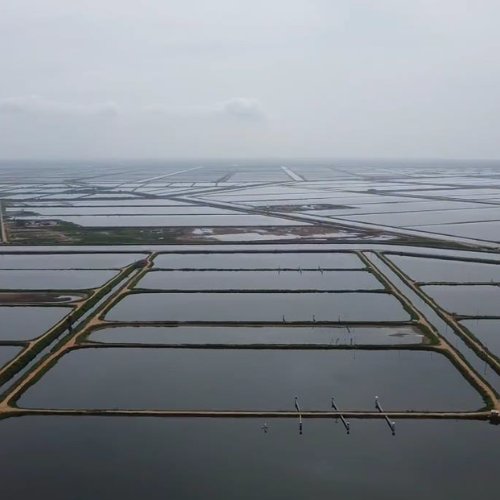
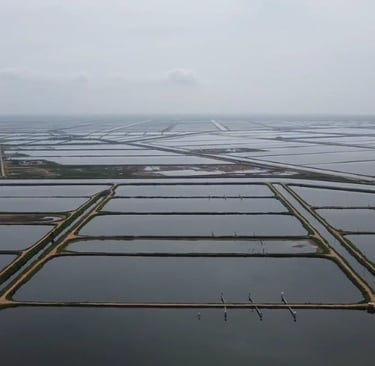
Farming Expansion & Efficiency
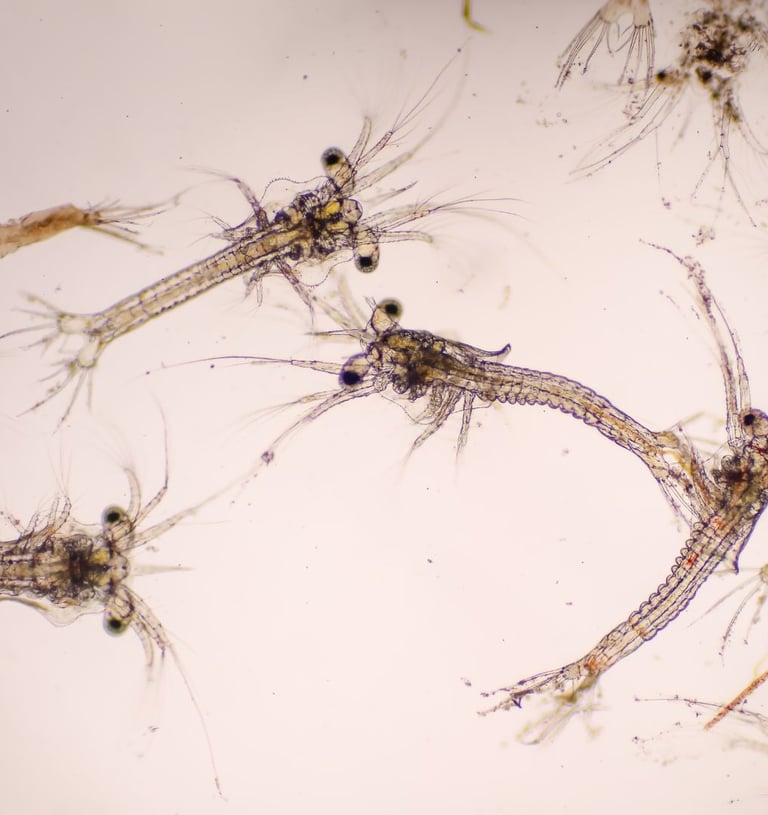
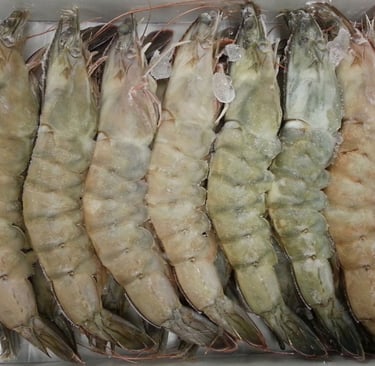
Biological Autonomy & Genetic Center
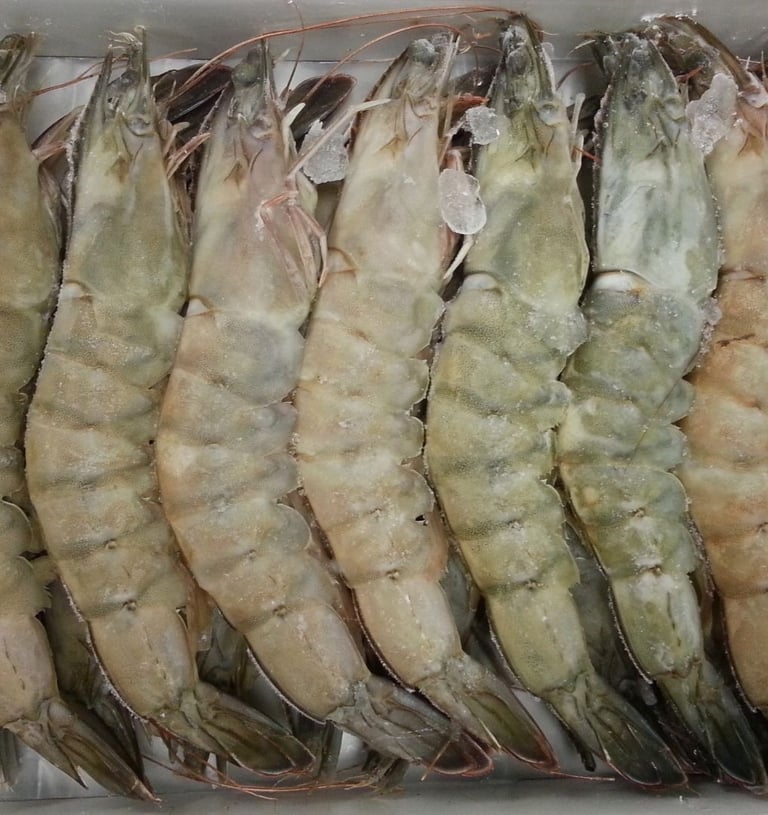
Processing & Value Addition
Objective:
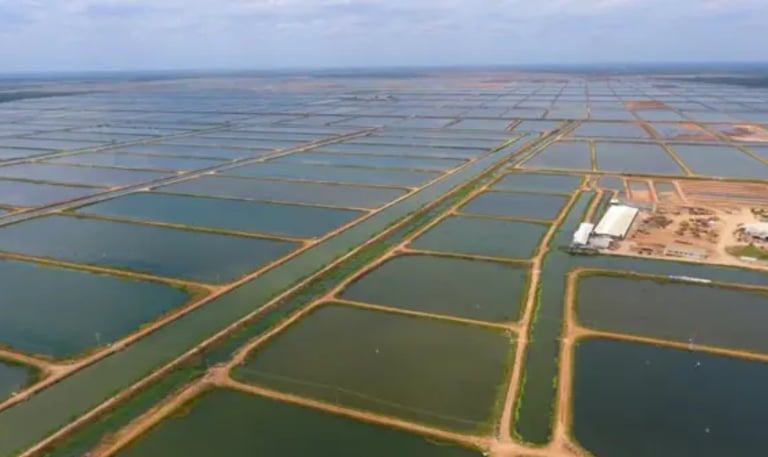
Scale shrimp farming operations from ~465 hectares to ~2,000 hectares while improving productivity, efficiency and environmental performance.
Strategic Role:
Unlocks commercial scale
Improves cost per ton
Enables long-term supply contracts
Investment Required: USD 18.5 million
Objective:
Achieve full control over shrimp genetics and postlarvae supply, eliminating dependency on external biological inputs.
Strategic Role:
Mitigates systemic sanitary risk
Protects production continuity
Generates long-term genetic and IP value
Investment Required: USD 5.5 million
Objective:
Expand and modernize processing capacity to remove post-harvest bottlenecks and ensure export-quality throughput at scale.
Strategic Role:
Eliminates spoilage and quality loss
Strengthens traceability and certification
Secures revenue realization from expanded production
Investment Required: USD 6.0 million
A System, Not Three Silos
Expanded farming creates volume
Genetic autonomy protects the volume
Processing capacity realizes the value
This systemic approach ensures that no single growth lever becomes a bottleneck or risk factor, a core requirement for institutional-scale aquaculture investments.
ESG Embedded at Project Level
Each Phase II project has been designed to:
Reinforce ASC certification requirements
Improve environmental KPIs (water use, biosecurity, effluents)
Strengthen labor stability and skills development
Enhance governance, traceability, and reporting
ESG is therefore embedded atthe design level, not retrofitted.


ESG Embedded at Project Level
Each Phase II project has been designed to:
Reinforce ASC certification requirements
Improve environmental KPIs (water use, biosecurity, effluents)
Strengthen labor stability and skills development
Enhance governance, traceability, and reporting
ESG is therefore embedded at the design level, not retrofitted.
Controlled Execution and Oversight
Phase II execution is governed through:
Phased implementation milestones
Centralized technical and ESG oversight
Regular reporting aligned with multilateral standards
This approach enables capital discipline, transparency, and accountability throughout the expansion process.
A System, Not Three Silos
Expanded farming creates volume
Genetic autonomy protects the volume
Processing capacity realizes the value
This systemic approach ensures that no single growth lever becomes a bottleneck or risk factor, a core requirement for institutional-scale aquaculture investments.
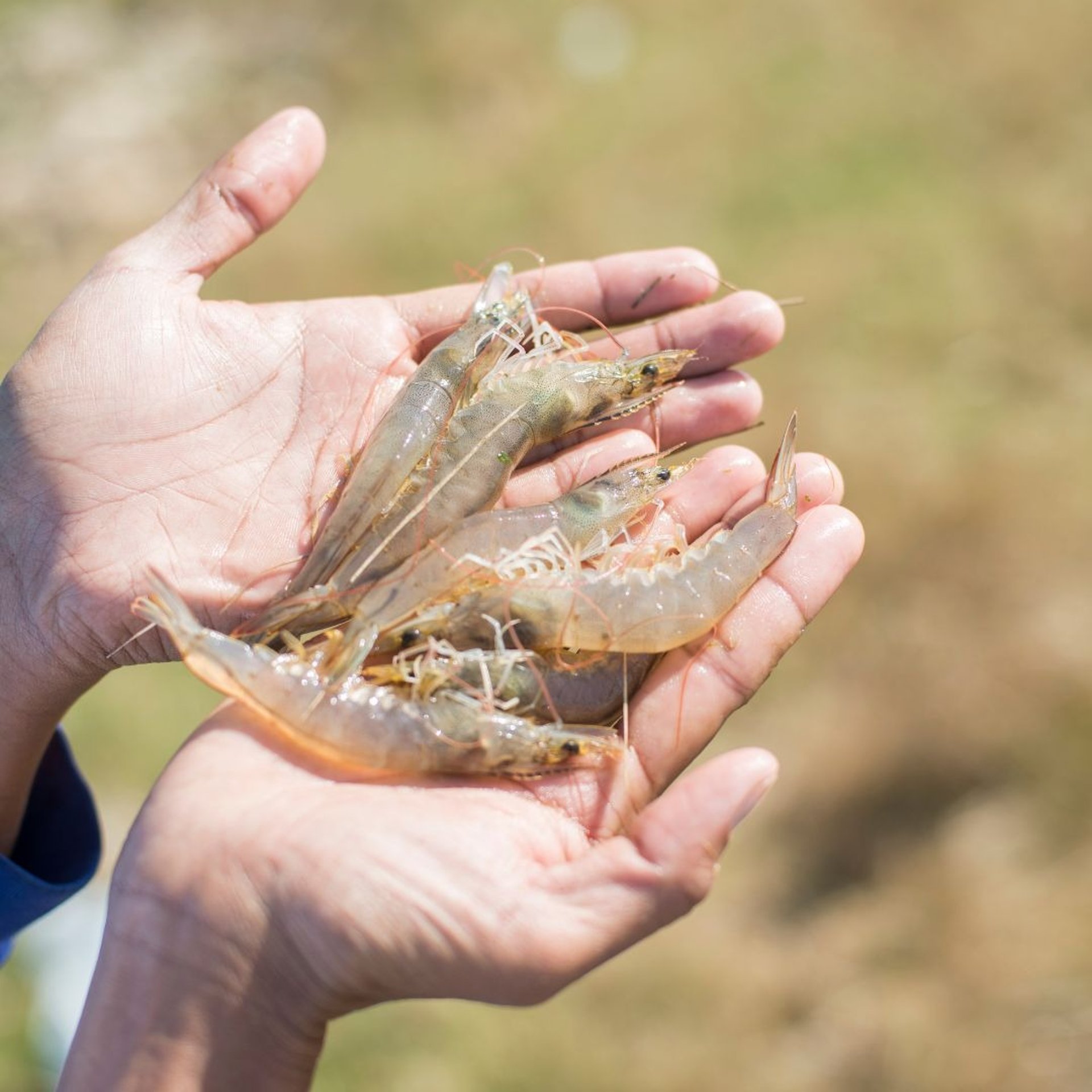
We are developing a sustainable shrimp production system to promote well-being in our region.
Palo Alto Project
Drives innovation, scalability, and ESG excellence across the value chain.
Building resilient food systems for global premium markets.
Phone
contact@paloaltoshrimp.com
+58 4146309015
© 2026. All rights reserved. Designed and developed by Varys Consulting