Palo Alto – Program Structure & Strategic Vision
An overview of us and, our future
Project Definition
Palo Alto is a multi-phase shrimp development program designed to transform an existing, certified aquaculture operation into a fully integrated, scalable and institutionally compliant production platform.
The program is promoted by Grupo Camalago and structured to combine operational performance, biological security, industrial efficiency and ESG governance under a single strategic framework.
Unlike single-asset projects, Palo Alto is conceived as a long-term development platform, capable of attracting multilateral finance and long-term institutional capital.
Strategic Vision
The vision of Palo Alto is to consolidate a globally competitive shrimp production hub in Venezuela, aligned with international sustainability standards and capable of supplying premium markets with full traceability and risk control.
The program seeks to:
Scale production capacity without compromising environmental performance
Eliminate critical biological and supply-chain risks
Strengthen export quality and industrial throughput
Convert ESG compliance into a measurable source of economic value
Sustainability, governance and resilience are treated as core investment drivers, not as secondary compliance requirements.
Program Structure and Development Phases
Palo Alto is executed through clearly defined phases, each one addressing specific growth and risk-mitigation objectives.
Phase I – Operational Base (Completed)
ASC-certified shrimp farming operation
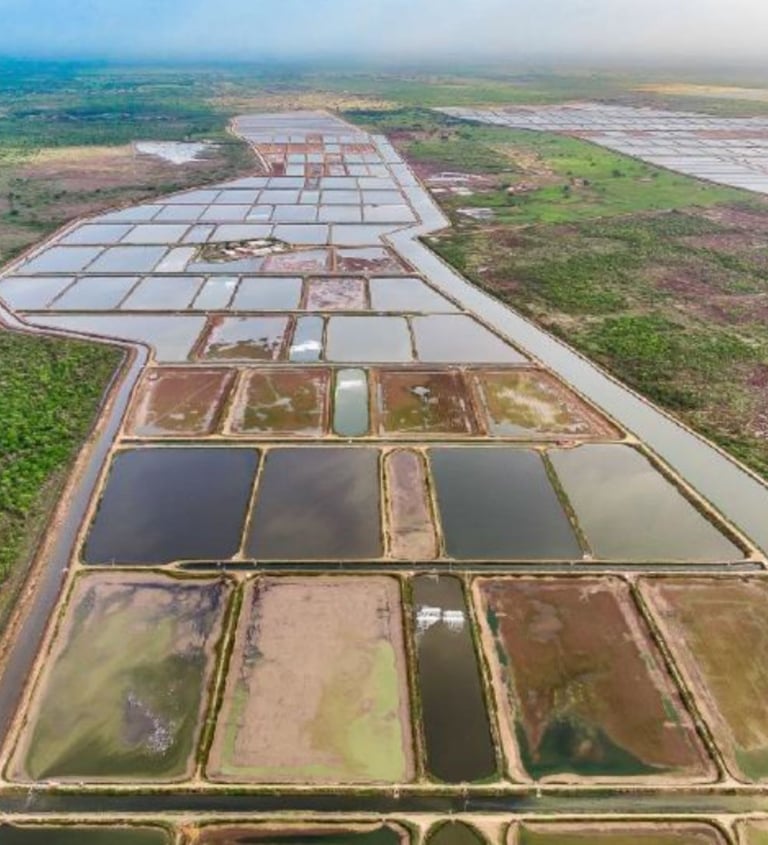
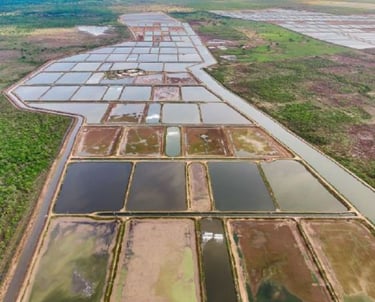
464+ hectares in active production
Proven export track record
Established processing capacity
This phase provides the cash-generating and operational foundation of the program.
464+
20+
Years of experience
Hectares in active production


Phase II – Expansion, Autonomy, and Efficiency (Planned)
Expansion of farming capacity to ~2,000 hectares
Development of biological autonomy through a genetic center
Expansion and automation of processing capacity
Phase II represents a USD 30 million integrated investment program, structured to eliminate the main operational, sanitary and logistical risks identified in the Triple Bottom Line analysis.


Phase III – Consolidation and Value Maximization (Planned)
Optimization of production yields and cost efficiency
Strengthening of long-term export contracts
Full integration of ESG reporting and institutional governance
This phase positions Palo Alto as a stable, institutional-grade real asset with long-term value creation potential.
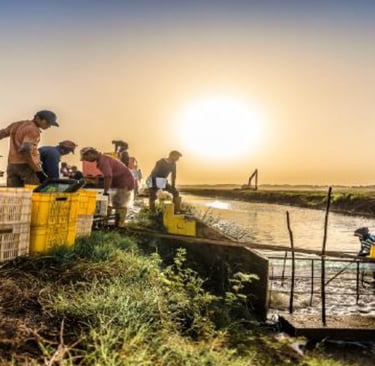
Why Vertical Integration Is Central to the Project
Vertical integration is not an optional strategy within Palo Alto; it is the core mechanism for risk mitigation and value creation.
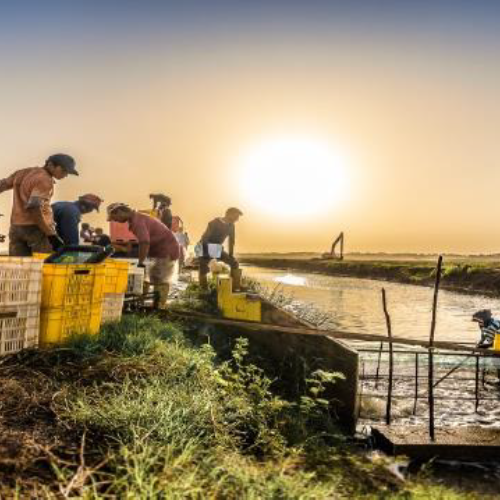
Farming operations
By integrating:
Genetic supply
Industrial processing
Export and
commercialization
The program reduces exposure to third-party dependencies, improves cost control, and ensures consistent compliance with international sustainability standards.
This structure directly enhances bankability and resilience under multilateral financing frameworks.
Geographic and Operational Context
Palo Alto operates in Venezuela, a country with:
Favorable climatic conditions for shrimp farming
Competitive production costs
Strategic proximity to the United States and European markets
The project leverages existing infrastructure and human capital, while implementing international governance, compliance and ESG standards to mitigate jurisdictional risk.


The Palo Alto Project is located in the Zulia region, Venezuela
What Differentiates Palo Alto
Built on an existing, operating and certified asset base
Structured for phased execution and early cash flow
ESG performance fully integrated into the investment logic
Governance and reporting aligned with multilateral lenders
Designed to scale without sacrificing sustainability
This combination allows Palo Alto to move beyond the profile of a traditional aquaculture project and operate as a development platform.
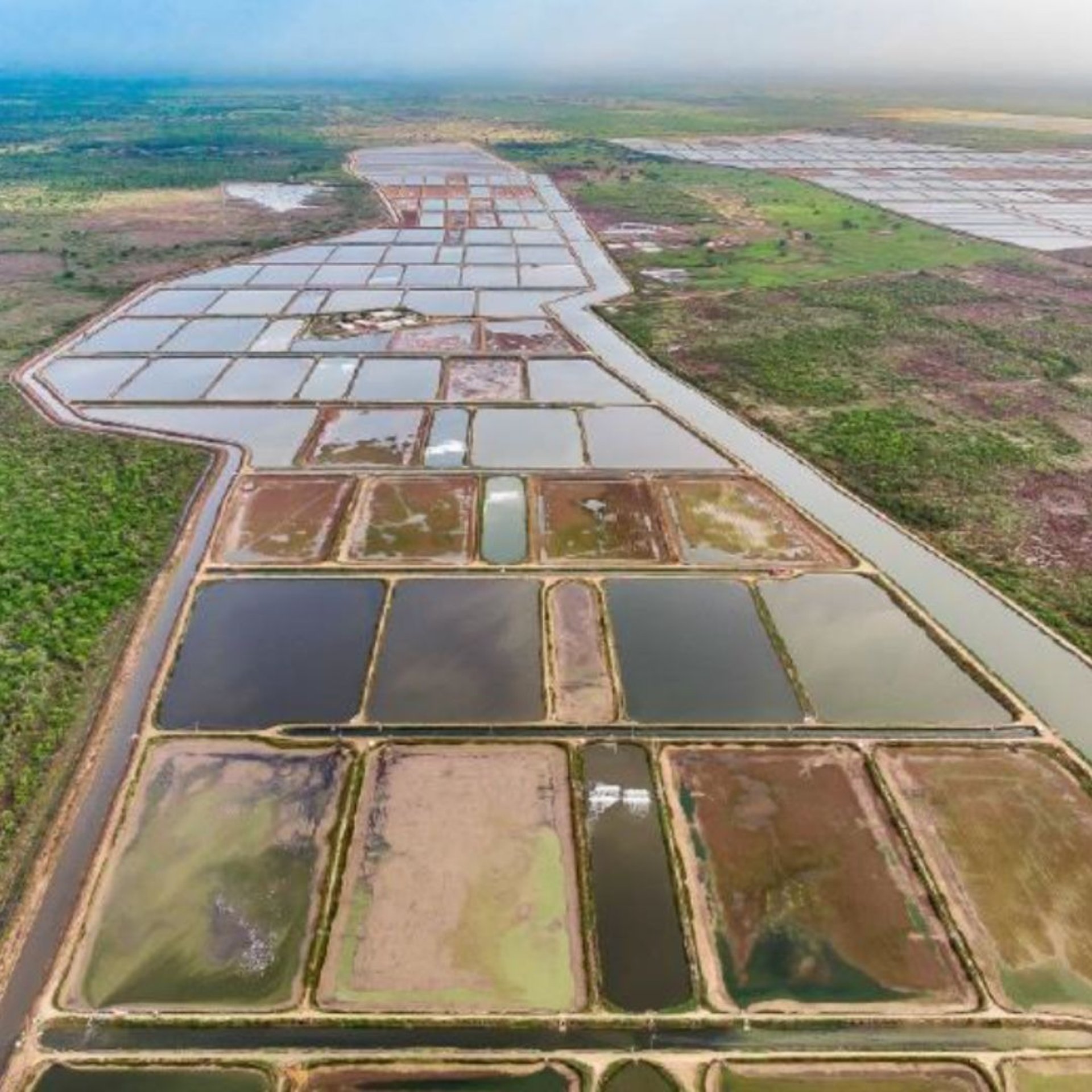
The Palo Alto program establishes the structural and strategic foundation upon which the Strategic Projects (Phase II) are executed, each one designed to unlock scale while reinforcing resilience and ESG compliance.
Palo Alto Project
Drives innovation, scalability, and ESG excellence across the value chain.
Building resilient food systems for global premium markets.
Phone
contact@paloaltoshrimp.com
+58 4146309015
© 2026. All rights reserved. Designed and developed by Varys Consulting